Lyrics
I Didn't Have to See
Read together: 1 Peter 1:3–9; Hebrews 11:1–3; Luke 16:27–31; John 12:9–11; 1 Corinthians 15:3–8
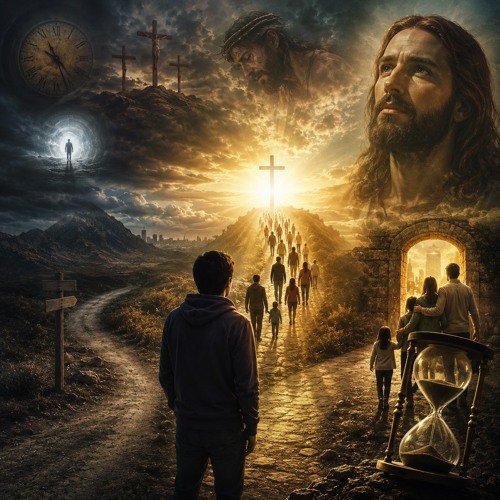
None of us were there. We did not hear the hammer at Calvary or see the darkness fall over the land. We did not stand at the empty tomb or watch Peter run. Two thousand years separate us from those events. So how can anyone today be sure they are true?
This song answers that question in a surprisingly thoughtful way. Its first point is that seeing has never guaranteed believing. Some watched the blind gain their sight, some saw dead men walk out of a tomb in broad daylight—still some turned and walked away.
That is exactly what the Gospels record. Read John 12:9–11. After Jesus raised Lazarus, a large crowd came to see him. And the chief priests' response? They made plans to kill Lazarus too, because many were believing in Jesus on account of him. They had undeniable evidence in front of them and chose to suppress it.
Jesus told a story that makes the same point. Read Luke 16:27–31. A rich man in torment begs Abraham to send someone back from the dead to warn his brothers. Abraham answers, "If they do not listen to Moses and the Prophets, they will not be persuaded even if someone rises from the dead." The problem is not usually a lack of evidence. It is the heart.
The third verse makes a second point: I believe a thousand things each day… things I've never touched or seen. We trust the reliability of maps, medicines, and historical records we did not personally witness. Faith is not unique to religion. And Christian faith is not blind. Read 1 Corinthians 15:3–8. Paul lists the appearances of the risen Jesus—to Peter, to the Twelve, to more than five hundred at once, most of whom were still alive when Paul wrote. He was essentially saying, "Go and ask them." The resurrection was proclaimed while eyewitnesses could still be questioned.
The song states it well: Faith ain't pretending something's true—it's trusting what the faithful and living God will do. Read Hebrews 11:1–3. Faith is the assurance of things hoped for and the conviction of things not seen. It rests on God's character and promises, not on our ability to see.
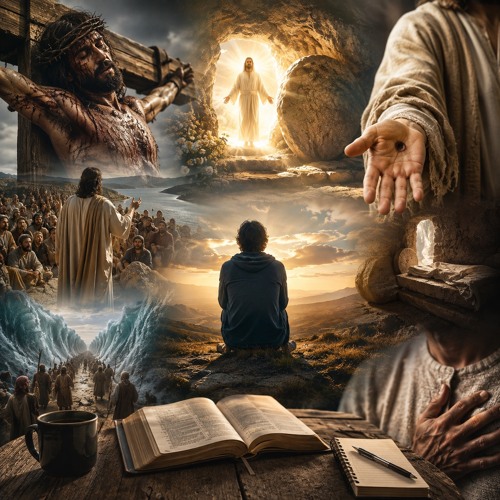
And the song's third point may be the most powerful: the Jesus I have never seen is alive and living in me. The evidence of the resurrection is not only historical. It is personal. Read 1 Peter 1:3–9. Peter writes to believers who had never seen Jesus: "Though you have not seen Him, you love Him; and though you do not see Him now, you believe in Him and are filled with an inexpressible and glorious joy, for you are receiving the goal of your faith, the salvation of your souls." Peter had seen Jesus. His readers had not. Yet he says their faith was real and their joy was full.
Perhaps you have been waiting for a sign before you believe. The song gently says you do not need one. You have the testimony of Scripture, the witness of history, and the invitation of a living Savior. Bring Him your questions. Read the Gospels honestly. And ask Him to reveal Himself to you.
A moment to respond: Read 1 Corinthians 15:3–8 and 1 Peter 1:8–9. Write down what you believe about Jesus' death and resurrection—and why. If you have questions, write those down too, and bring them to a pastor or mature believer this week. Faith grows when honest questions meet the truth.
Let's pray: Lord Jesus, we were not at the cross or the empty tomb, but we believe You died and rose again. Thank You for the witnesses who saw You and wrote it down for us. Where our faith is weak, strengthen it. Where hearts are hardened, soften them. Let us love You though we have not seen You, and fill us with inexpressible joy. Amen.
Our desire at UnrelentingJesus is that you would know Jesus personally—not because you have seen Him with your eyes, but because He has come to live in your heart.