Lyrics
God Sure Was Good
Read together: Psalm 145:1–7; Deuteronomy 8:10–18; Ecclesiastes 7:10; Matthew 27:27–31; Psalm 34:8
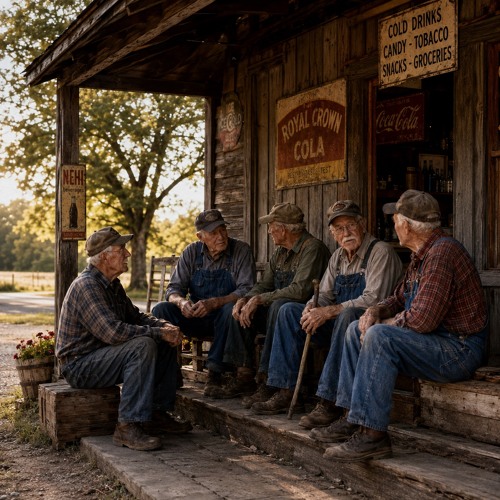
There used to be a place in many small towns where old men gathered. A country store stoop. A row of worn-out crates. Overalls, calloused hands, pocketknives whittling away the morning. They told stories, tipped their hats to passersby, and argued about how everything ought to go. This song takes us to that porch, where a preacher's son tagged along with his dad.
The men did not agree on much. But before they were done, they always agreed on one thing: God had been good. God had sure been good back then.
That kind of remembering is deeply biblical. Read Psalm 145:1–7. David says, "One generation will commend Your works to the next and will proclaim Your mighty acts… They will celebrate Your abundant goodness and joyfully sing of Your righteousness." Those old men were doing exactly that. Clothes on their backs, a roof over their heads, friends who stuck with them to the end. They had learned to see God's hand in ordinary provision.
Read Deuteronomy 8:10–18. Moses warned Israel that when they had eaten and were satisfied, built fine houses, and seen their wealth increase, they should be careful not to forget the Lord their God. Prosperity breeds forgetfulness. Hard times often teach gratitude. The men on that porch had known war, scarcity, and loss, and they had not forgotten who carried them through.
The song honors their sacrifice. Pictures in uniform. Eyes that looked war-torn. Friends who never came home. That cost deserves remembrance and respect.
Then the bridge pushes back on a common complaint: some say there are no more men like that today. Scripture gives a gentle caution about that kind of nostalgia. Read Ecclesiastes 7:10. "Do not say, 'Why were the old days better than these?' For it is not wise to ask such questions." God is still raising up faithful men and women today. The singer insists on it: I'll tell you about the ones I know.
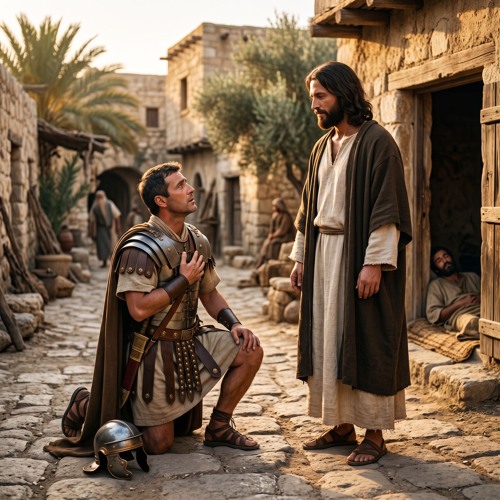
And then the song makes its most important move. It traces all of that goodness back to its source. It all started when Jesus died for you and me. The final chorus describes what that cost. Read Matthew 27:27–31. Soldiers stripped Jesus, put a crown of thorns on His head, mocked Him, spat on Him, and struck Him again and again. He wore scars across His back. He was mocked, and on Him they spat. God's goodness is not only seen in clothes and roofs and friendship. It is supremely seen at Calvary.
Perhaps you have been blessed with many good things but have never thanked the Giver. Or perhaps you have been living on stories of how good God was, without knowing Him for yourself. The song's tag is an invitation: accept His salvation full and free—before it's all said and done. Read Psalm 34:8. "Taste and see that the Lord is good; blessed is the one who takes refuge in Him." You do not have to rely on someone else's memories. You can know His goodness personally.
A moment to respond: Sit with an older believer this week—on a porch, at a table, or on the phone—and ask them, "How has God been good to you?" Listen well. Then write down three ways God has been good to you and share one with a younger person.
Let's pray: Lord, You have been good to us—back then, today, and always. Thank You for daily provision, faithful friends, and those who sacrificed for our freedom. Most of all, thank You for sending Jesus, who was mocked, beaten, and crucified for us. Keep us from forgetting You in times of plenty. Let one generation tell the next of Your goodness. Amen.
Our desire at UnrelentingJesus is that you would not only remember that God was good, but taste His goodness for yourself in Jesus—because He is still good, above all.